

Subscribe to Airspeed through iTunes or your favorite other podcatcher. It's all free!
These are the show notes to an audio episode. You can listen online right here by clicking: http://media.libsyn.com/media/airspeed/AirspeedVirtualAirshow.mp3.
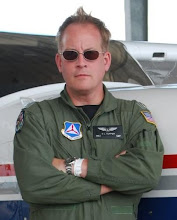
It’s time for Airspeed. I’m Stephen Force and I’ll be your announcer and air boss for this, the first Airspeed Virtual Airshow.
This is an airshow of the mind. Please fully engage your senses and align them with the auditory content of this broadcast for best results. Please avoid operating motor vehicles or other heavy equipment during the show unless you are certain that no sneak passes will surprise or distract you and you are sure that you are able to resist the temptation to drive at excessive speeds while listening. This means you, Ron.
The temperature is about 72 degrees Farenheit with just enough humidity to permit dramatic condensation clouds around the wing areas of the fighter jets at high angles of attack. We have sunny skies over the field with just a few white puffy cumulous clouds to allow for dramatic photographs. We have arranged for the sun to hold its position behind you and at about 30 degrees above the horizon for the duration of the show to provide for the best possible photographic opportunities during the dedication passes.
Please observe the fact that there are no snow fences between you and the runway. Please feel free to set up you chair anywhere between the parking lot and the runway, but avoid the runway itself unless you really want to get that close-up of the approaching aircraft. No security personnel are on duty today because the show is restricted to dedicated aviation nuts and we know we can count on you to police yourselves. By the way, everyone gets an orange tee shirt with “Security” stenciled on the back. Make sure that you pick up yours at the gate.
Hot dogs are just a buck at every booth and soft drinks are a buck as well with free refills all day long. Tee shirts are just five bucks at every vendor tent.
All of the show aircraft will be on the ramp behind you and available for your up-close inspection. All of the demo teams have agreed to let you into the cockpits of the respective aircraft, provided only that you make airplane noises when you’re in there.
Please keep your cameras and attention near show center at all times. Because this is an airshow of the mind, we’ve eliminated all of that waiting while the aircraft circle around for another pass. This show is all noisy passes for the entire length of the show.
Featured today are the F-16 from the Viper East Demo Team from Thunder Over Michigan at Willow Run Airport in Ypsilanti, Michigan, the F-16s of the United States Air Force Thunderbirds, the F-15 Eagle of the F-15 West Demo Team from the Battle Creek Field of Flight Air Show and Balloon Festival in Battle Creek, Michigan, the F-22 Raptor from the F-22 Raptor Demo Team from EAA AirVenture Oshkosh in Oshkosh, Wisconsin, and others.
At the conclusion of the show, you can amble to your car any time and we’ve arranged for easy exit from the grounds by means of any exit you like and all freeway on-ramps are open and flowing at posted speed limits.
Or stay around for the acoustic jam session at Firebase Airspeed just a few hundred yards away in the campground. Plenty of Leinie’s and other beverages in the big blue cooler near the tent.
And, best of all, you don’t have to leave at all! Just hit the “back” button on your player at any time to start the whole thing over. It’s that easy!
Other aviation media spend a lot of paper or electrons talking about aviation and we here at Airspeed love them for it. But c’mon. When’s the last time one of them put on an airshow just for you? Point made?
Enjoy this Airspeed Virtual Airshow. Brought to you by 100LL, JP-8, Jet-A, soda pop, beer, hot dogs, and frozen deserts sold from pushcarts on taxiways everywhere.




 Posts


